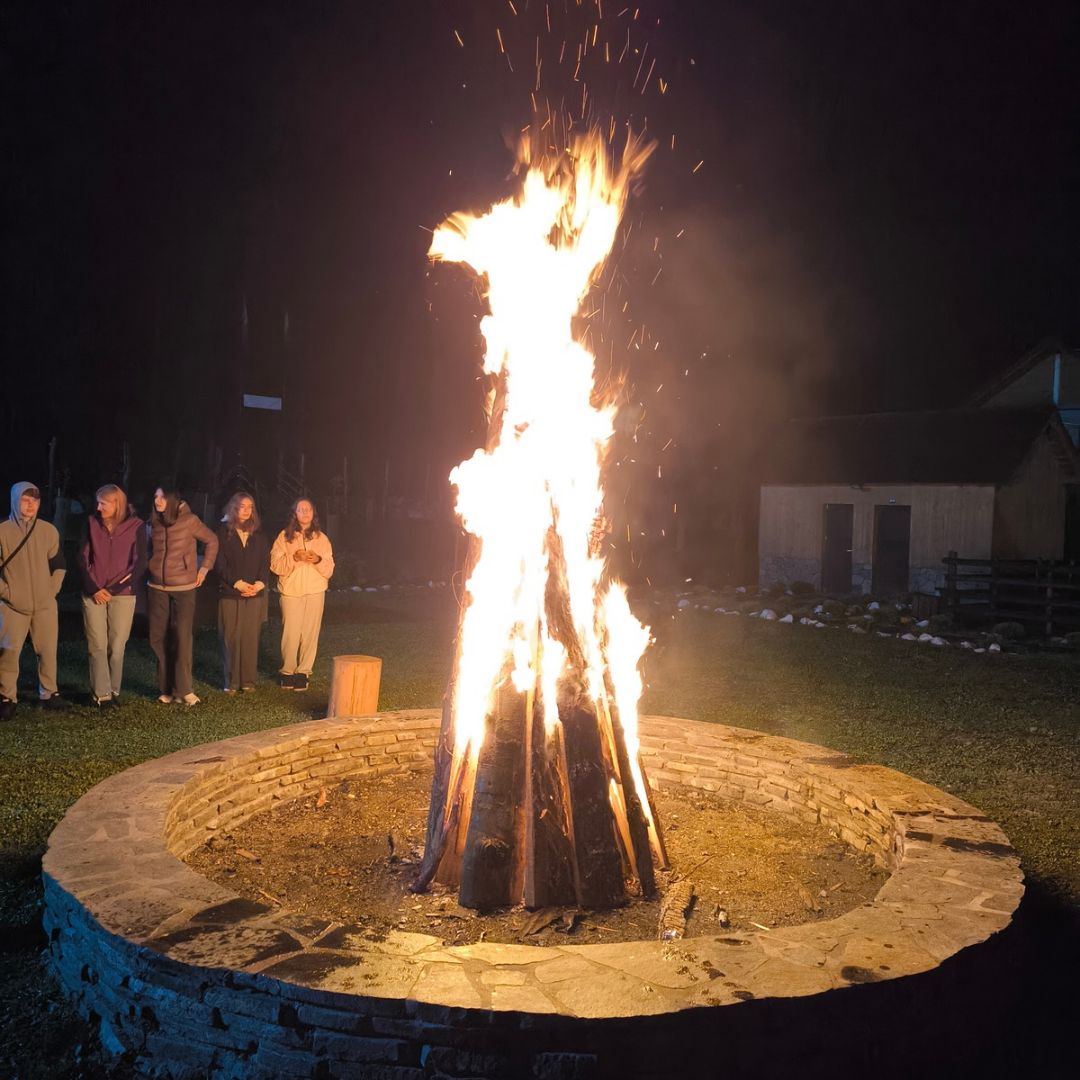
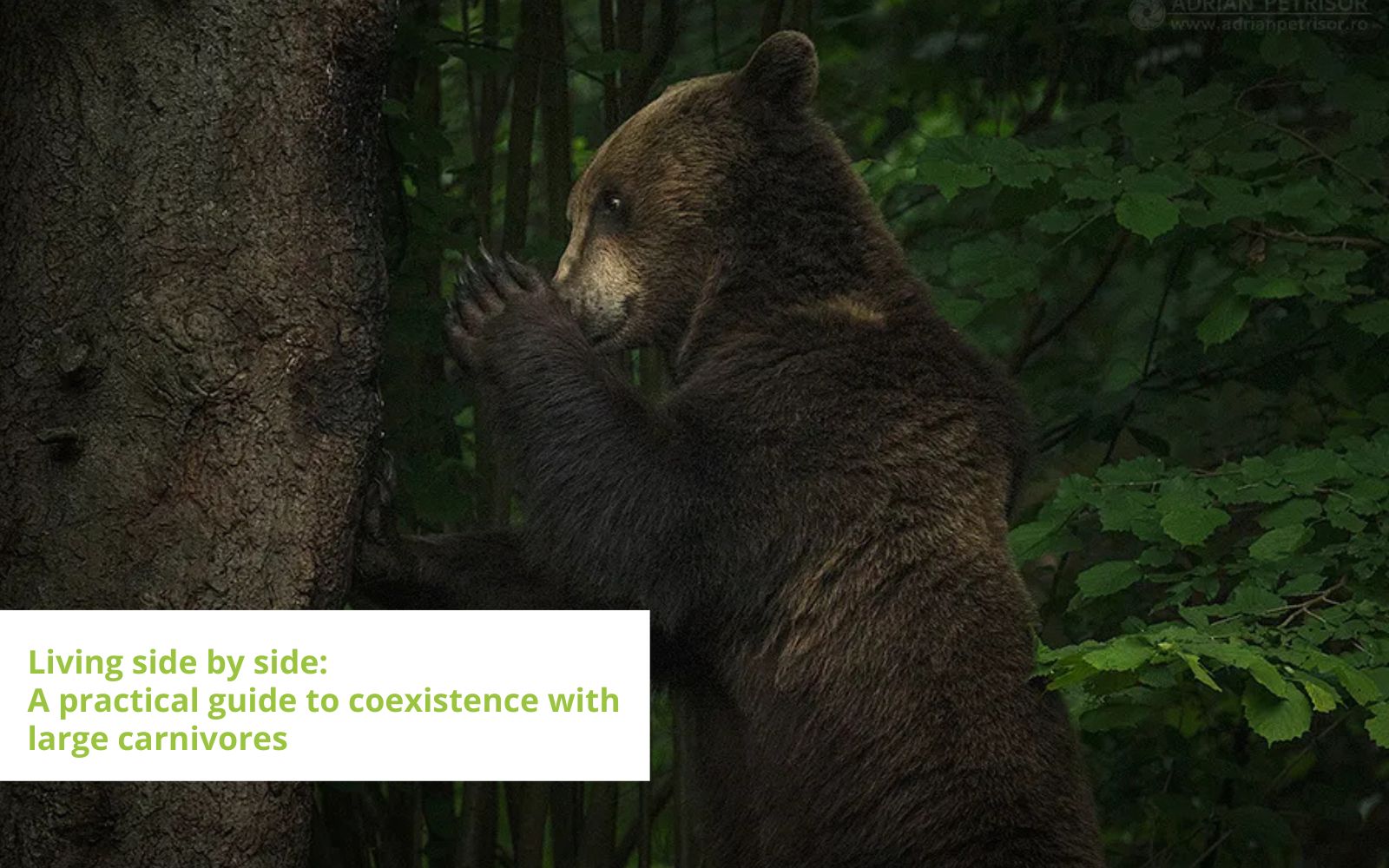
How can communities across the Carpathians better prevent conflicts with large carnivores? And what can we learn from solutions already being used in neighbouring countries?
These were among the key questions explored during a cross-border exchange visit organized in Slovakia, from 12 to 14 October 2026, within the COOP4SAFE project.
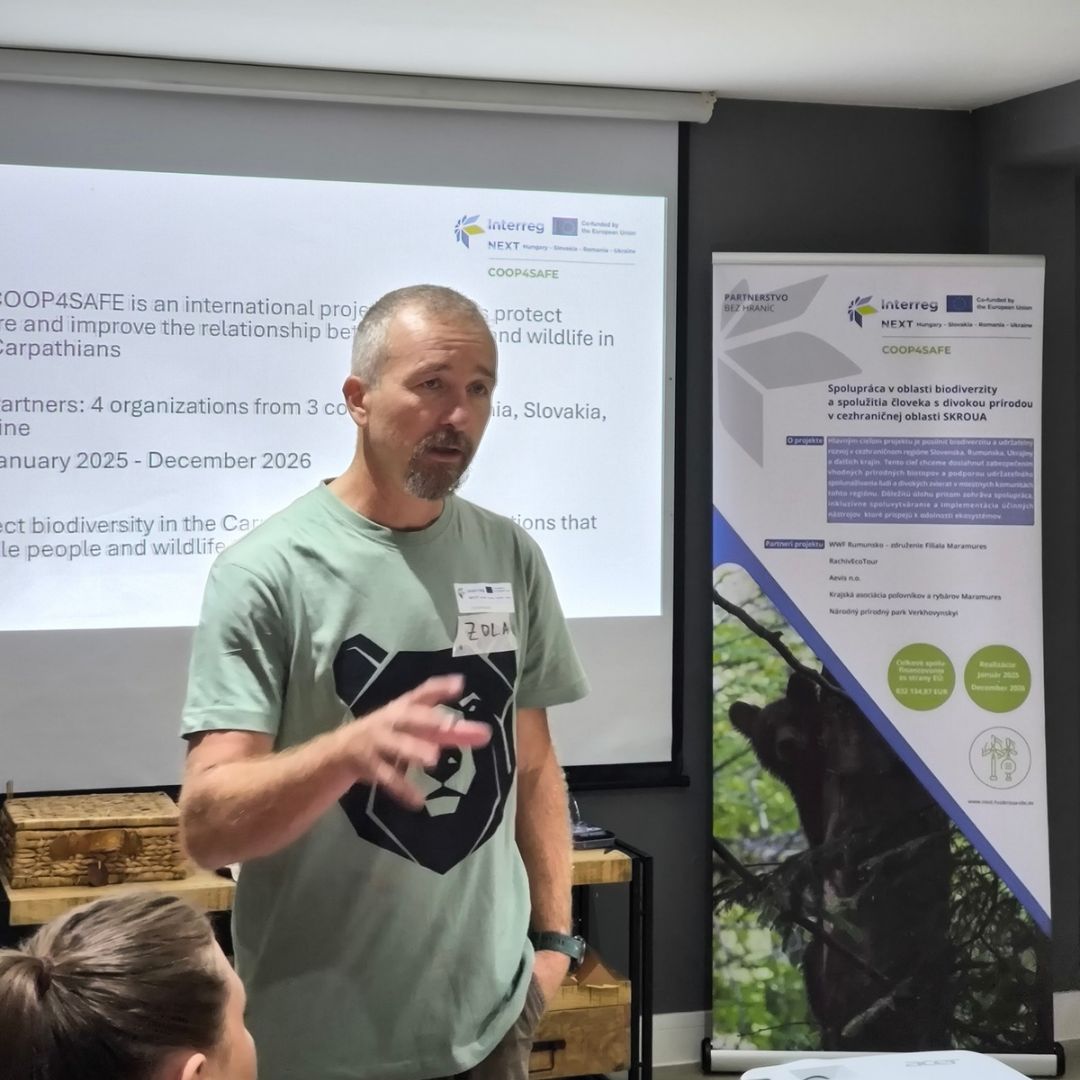
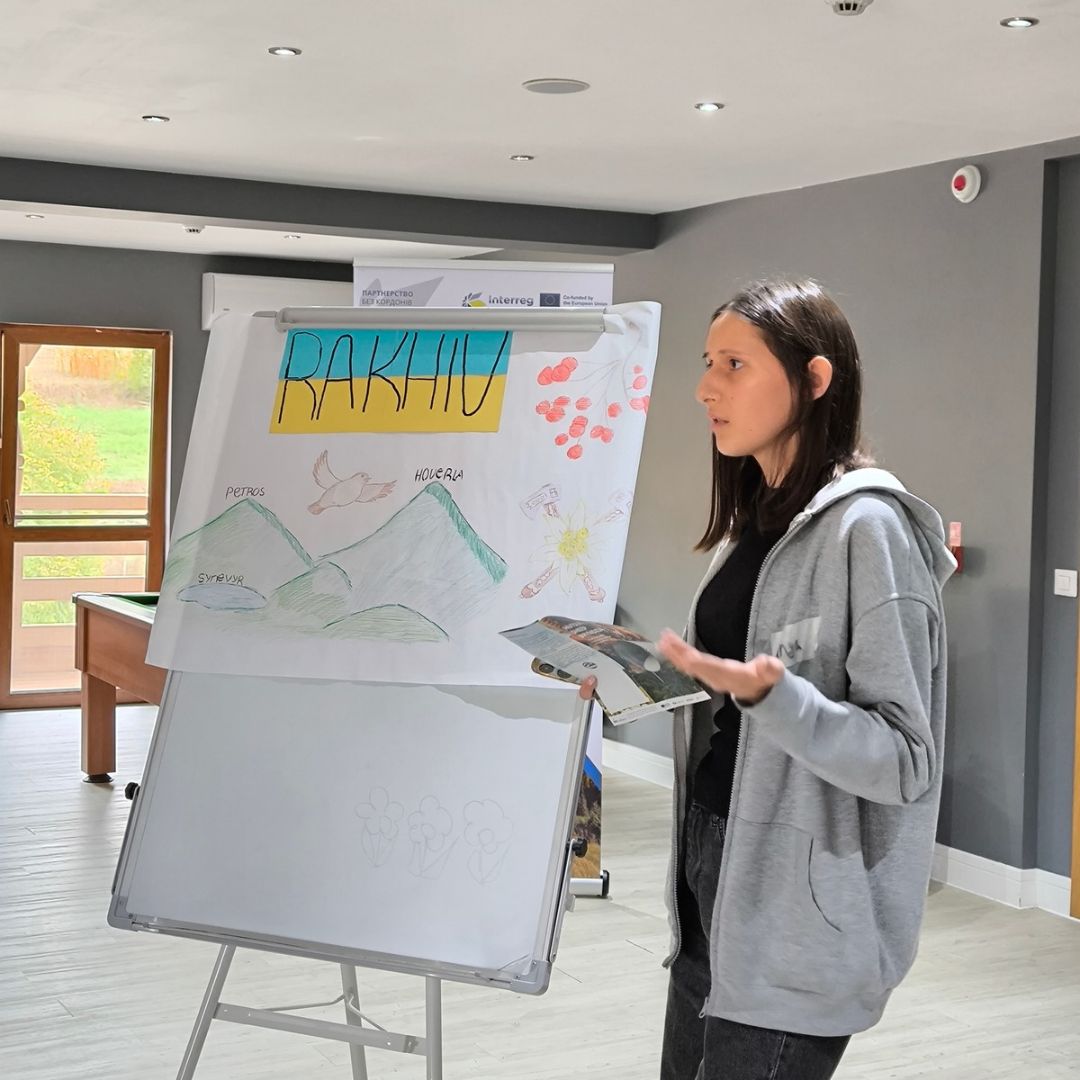
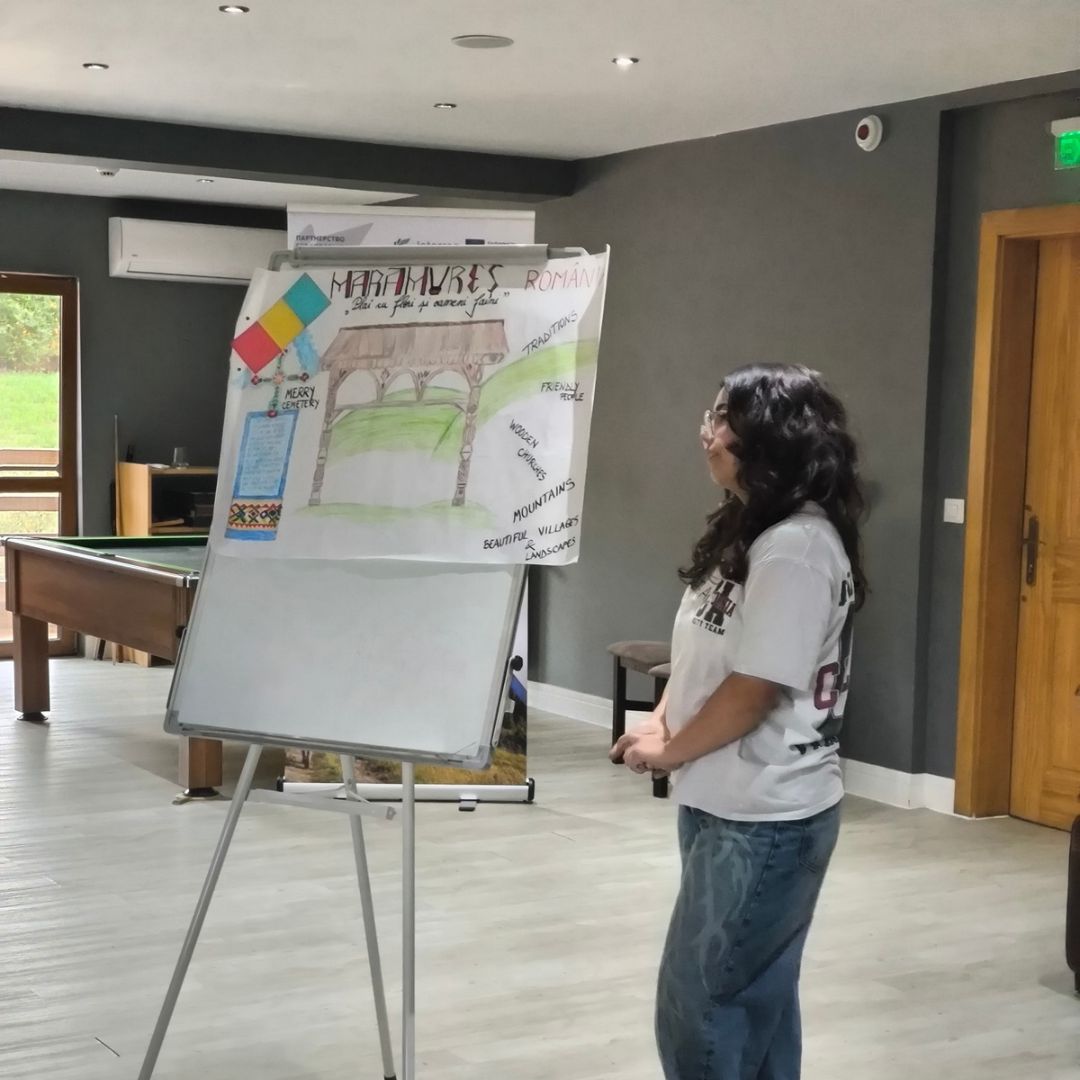
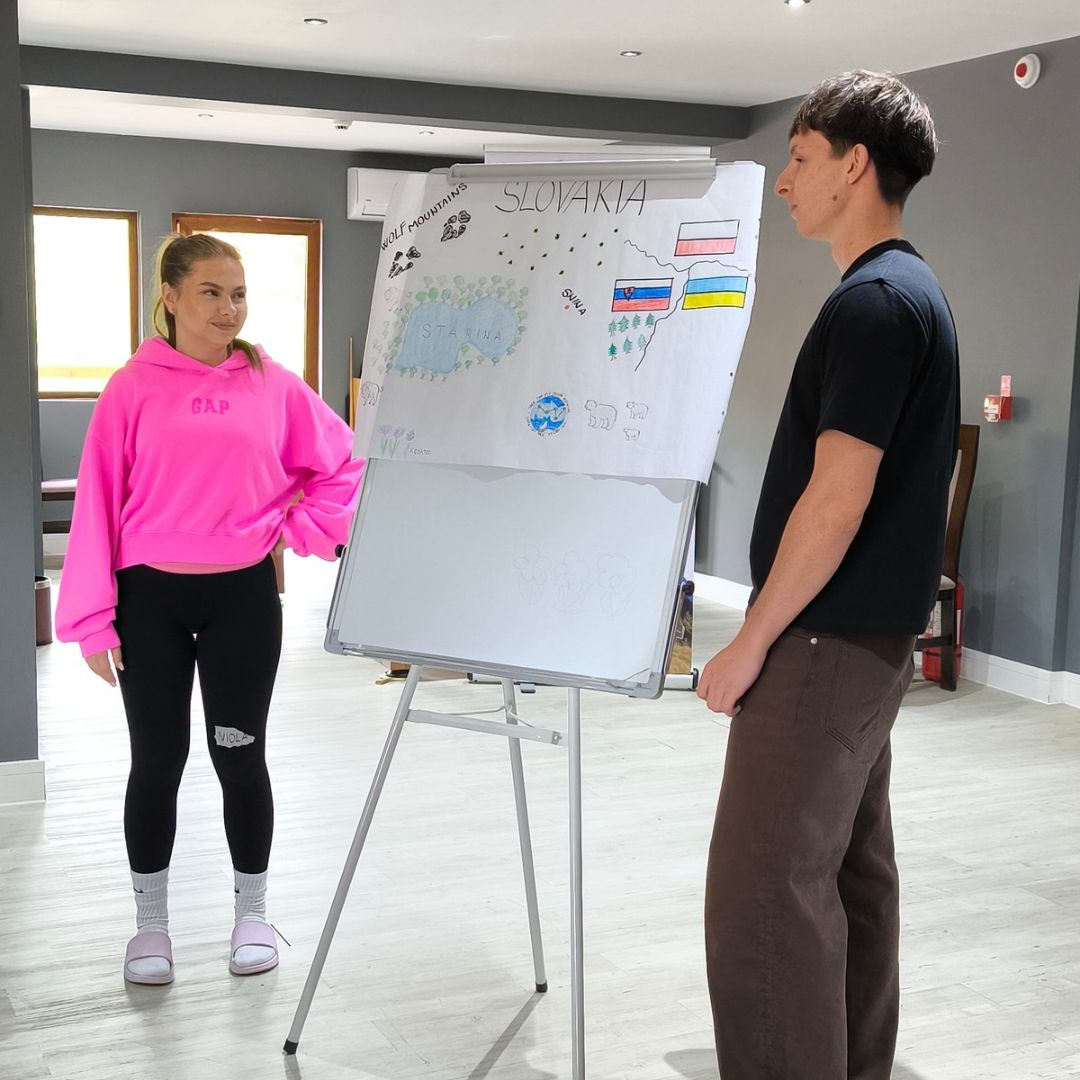
Bringing together project partners and experts from Slovakia, Romania and Ukraine, the event provided an opportunity to share experiences, strengthen practical skills and identify common approaches to preventing and mitigating human-wildlife conflicts.
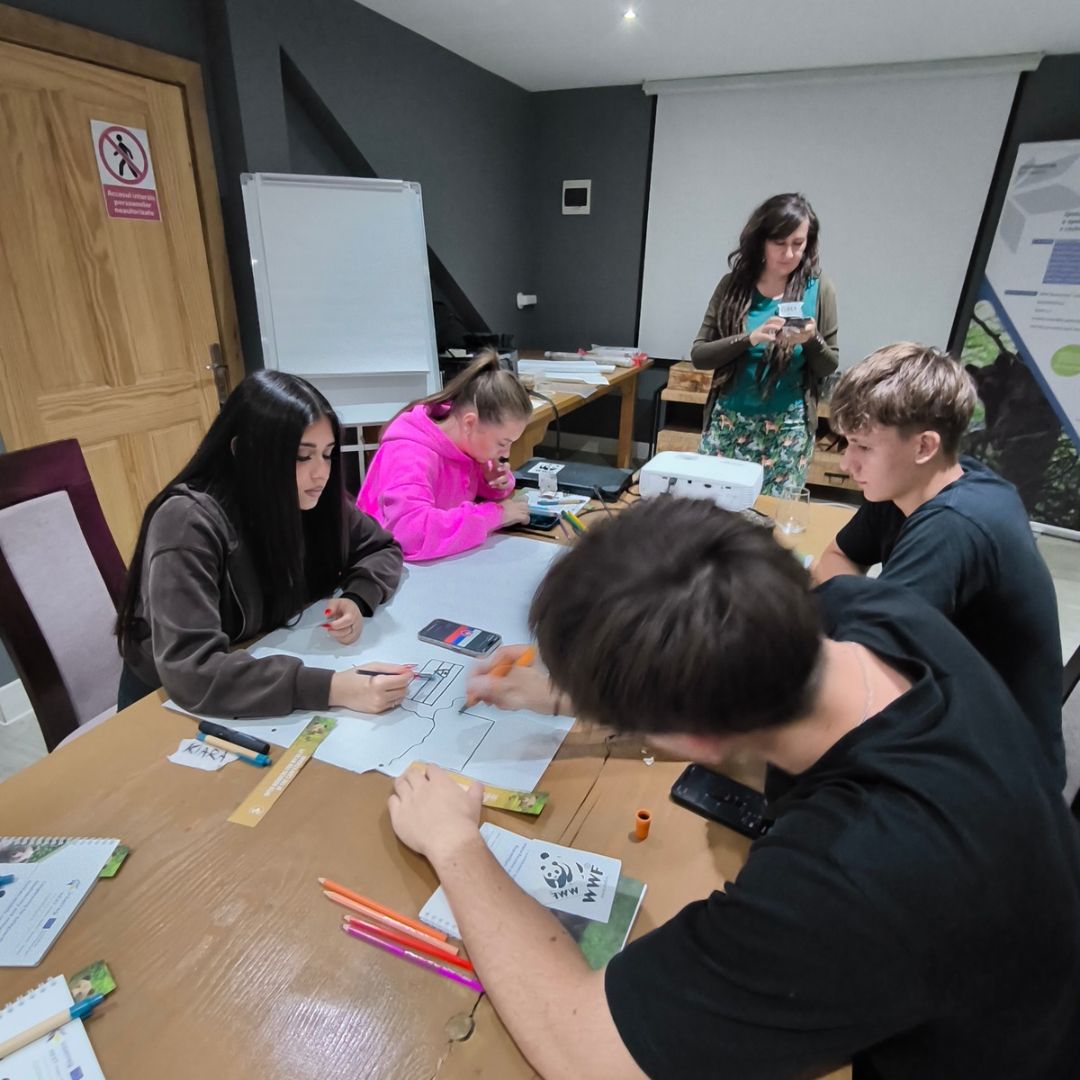
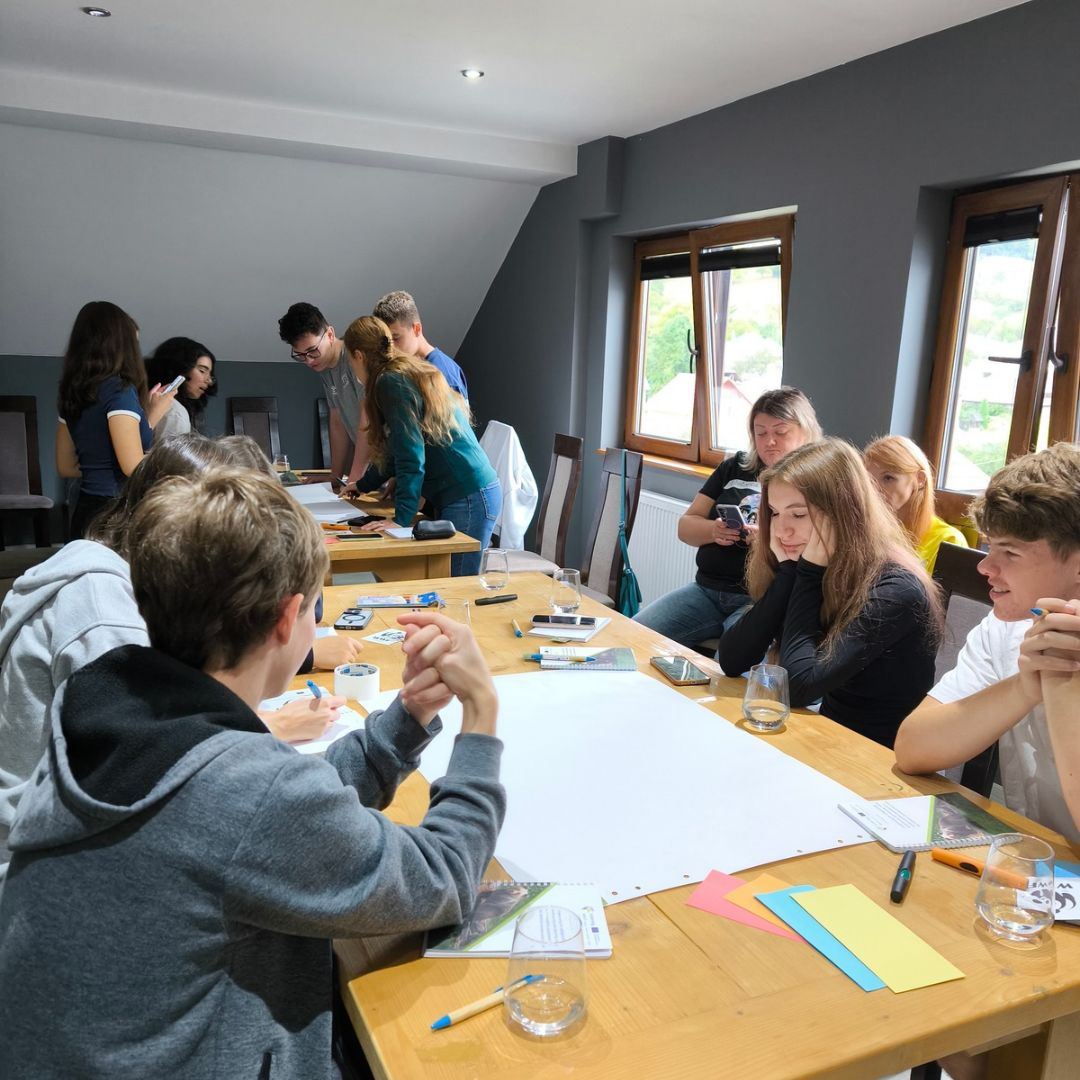
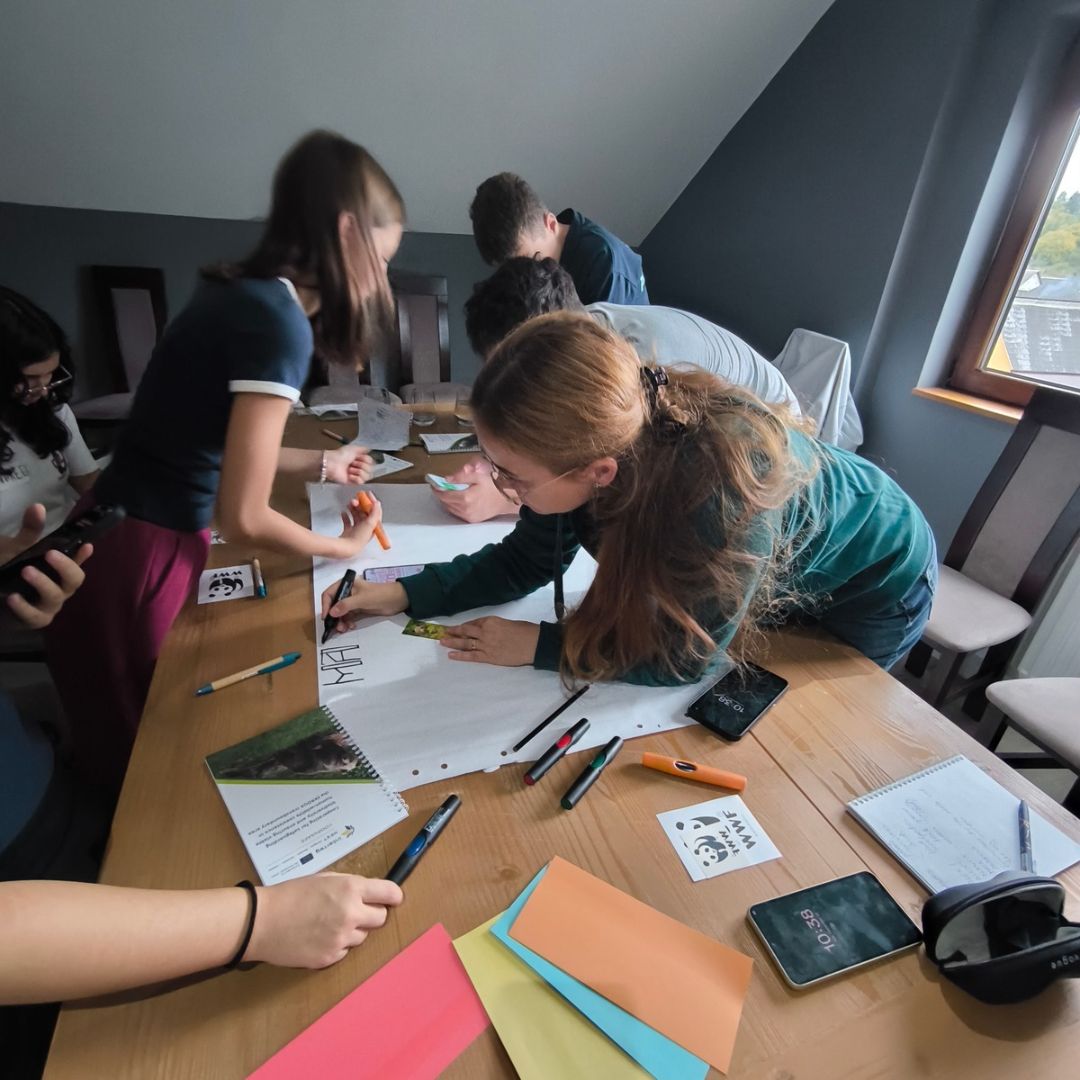
The programme combined expert discussions, specialized training and field visits, connecting knowledge and experience from the three countries with practical solutions implemented by local communities.
Sharing knowledge and identifying common solutions
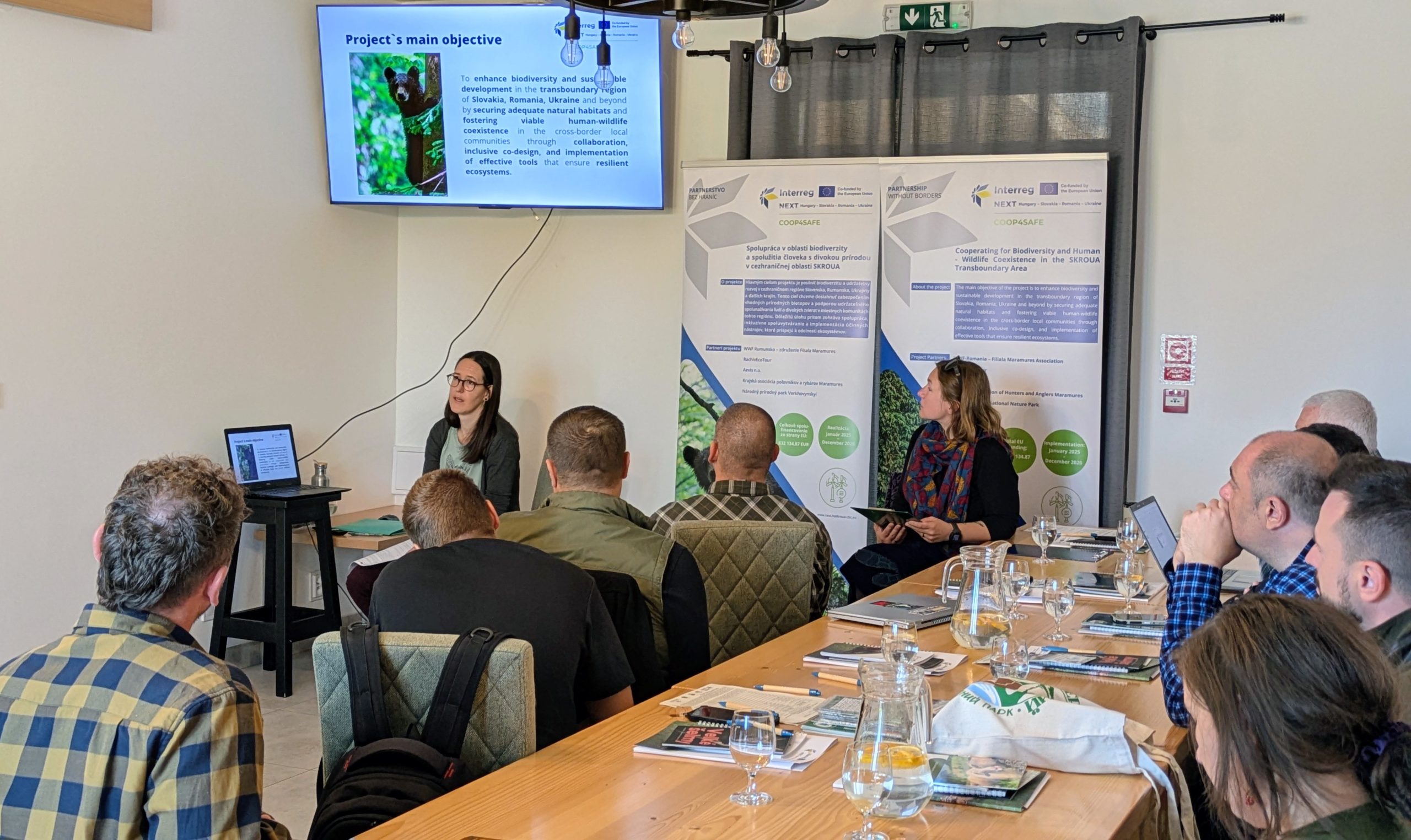
The first working day focused on exchanging experience and exploring opportunities for closer cooperation. Project teams presented their ongoing activities and results, highlighting progress made in each country and challenges that require coordinated approaches.
A roundtable discussion brought together experts from Slovakia, Romania and Ukraine to examine human-wildlife interactions, effective intervention strategies and conflict prevention measures. Participants also explored opportunities for joint initiatives, including citizen science activities and the development of a transboundary GIS database.
The programme continued with practical training on approaches to minimising human-wildlife conflicts, followed by a session dedicated to the large carnivore cubs.
From discussions to practical solutions in the field
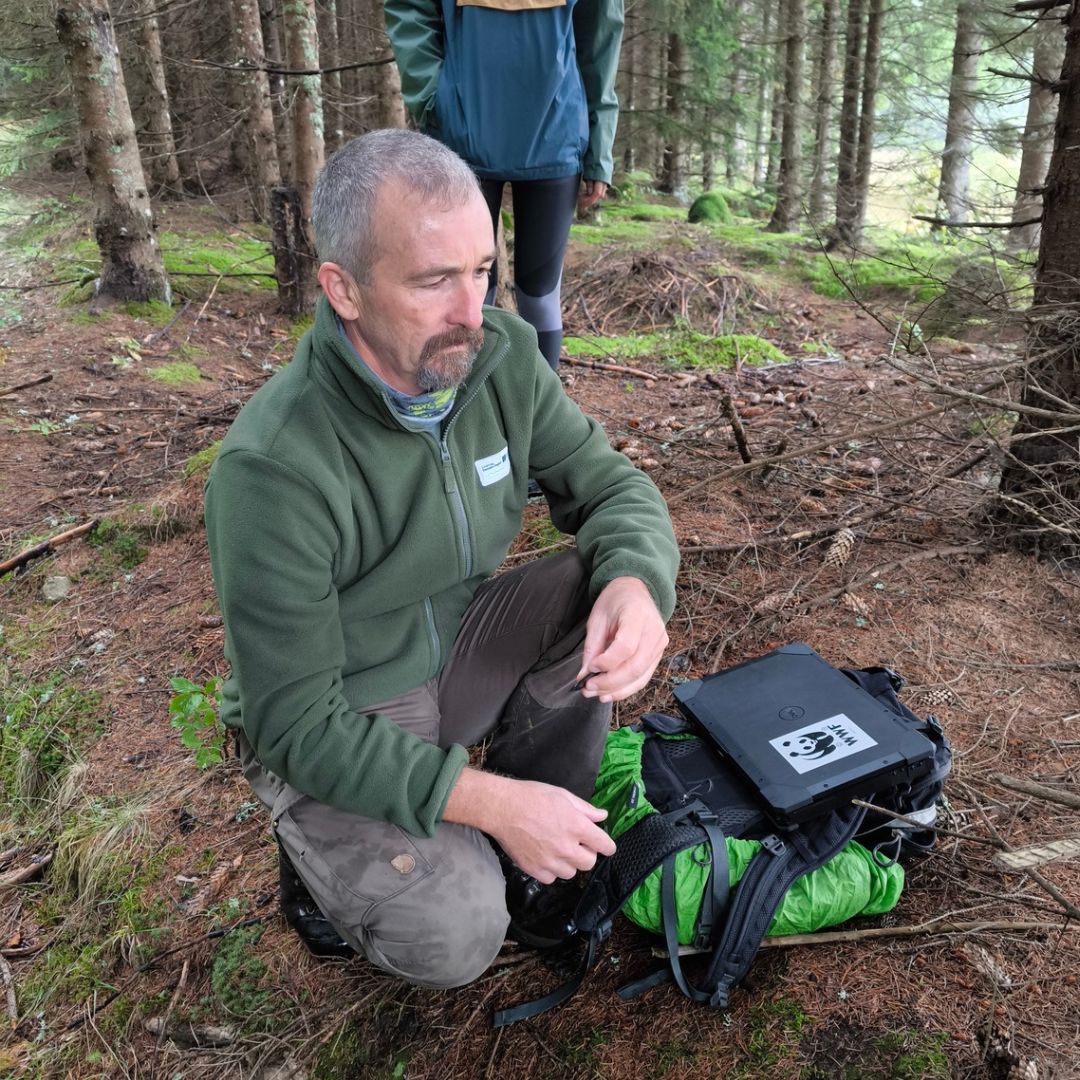
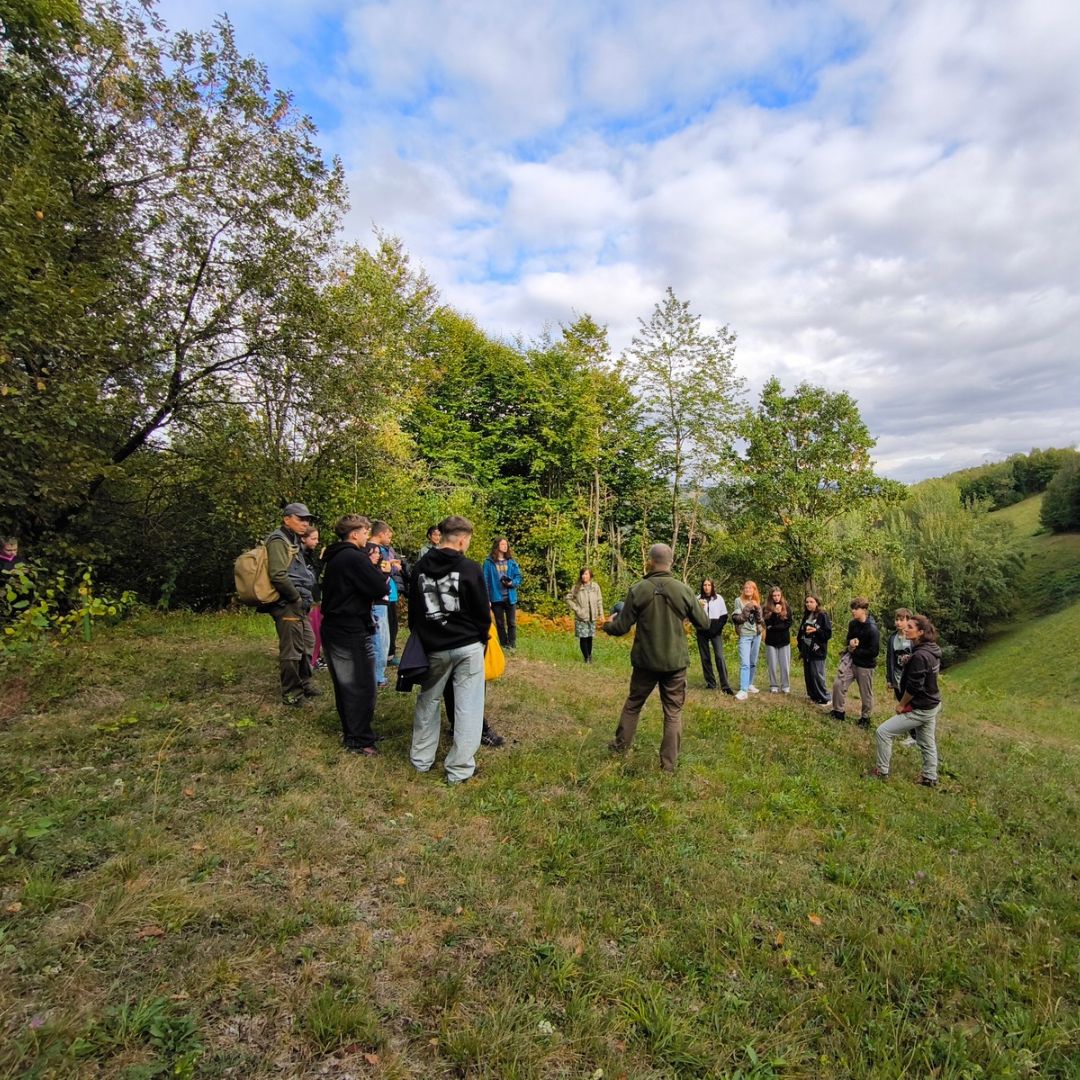
On 14 October, participants visited several locations in eastern Slovakia to see how preventive measures are being applied by farmers and beekeepers.
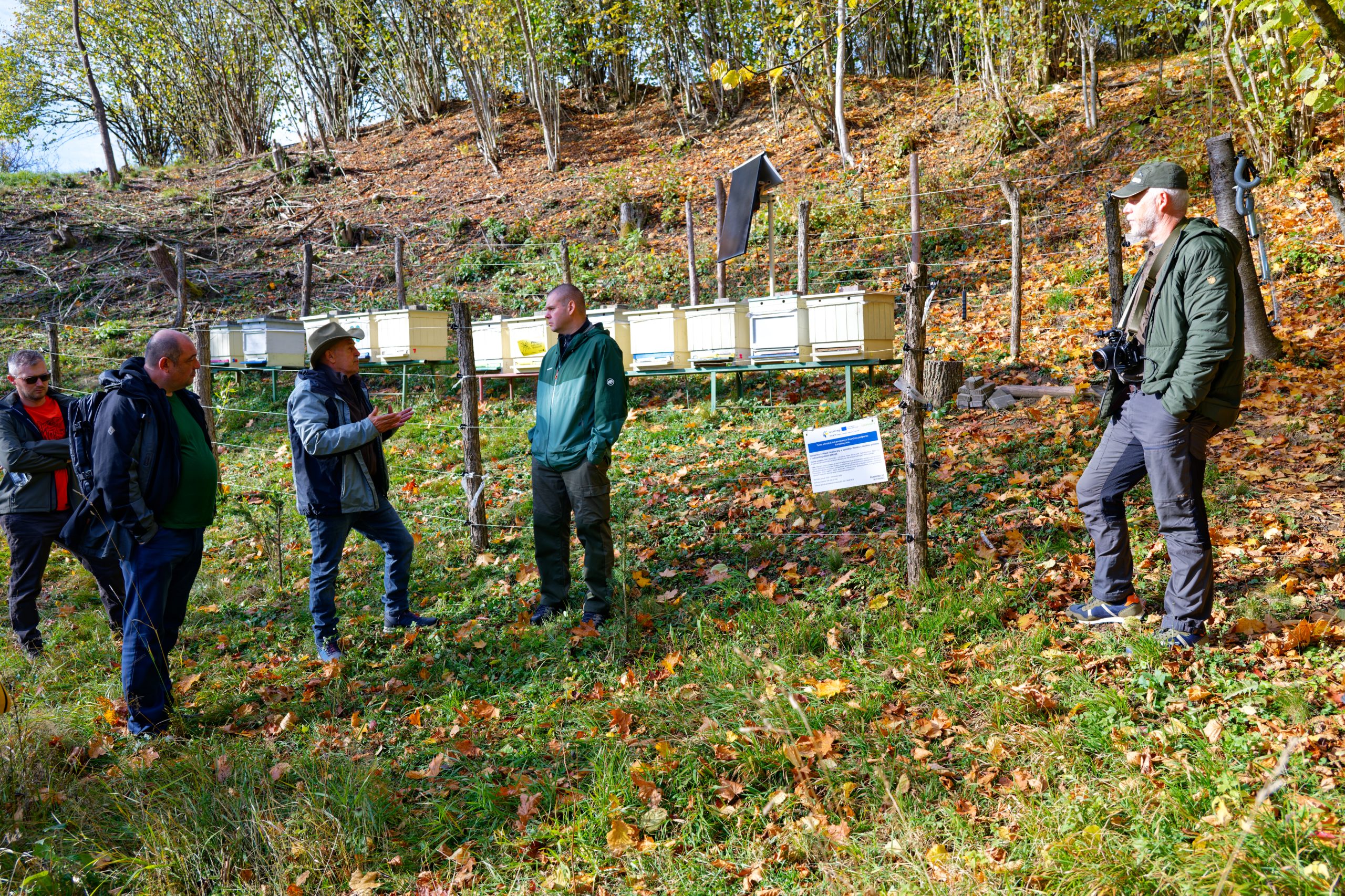
In Topoľa, Nová Sedlica and Zemplínske Hámre, the group explored different solutions designed to protect livestock and apiaries, including electric fences, protective cages for beehives and livestock guarding dogs.
The field visits offered valuable opportunities to understand how these measures work in practice, how they can be adapted to local conditions and what challenges communities may face when implementing them.
Discussions with local farmers and beekeepers added an important perspective, highlighting the role of community involvement and practical support in reducing potential conflicts with wildlife.
Building stronger cooperation for coexistence
Human-wildlife conflicts are a shared challenge across the Carpathians, where large carnivores move across national borders and communities face similar concerns. Addressing these challenges requires not only effective preventive measures but also cooperation, knowledge sharing and a better understanding of local needs.
Through activities such as this exchange visit, COOP4SAFE strengthens cross-border cooperation between Slovakia, Romania and Ukraine, supports the transfer of practical knowledge and helps partners identify solutions that can be adapted and applied in their respective countries.
By bringing together experts, conservation organizations and local stakeholders, the project contributes to building a common approach to conflict prevention, one that supports local communities while helping protect the Carpathians’ rich wildlife.